
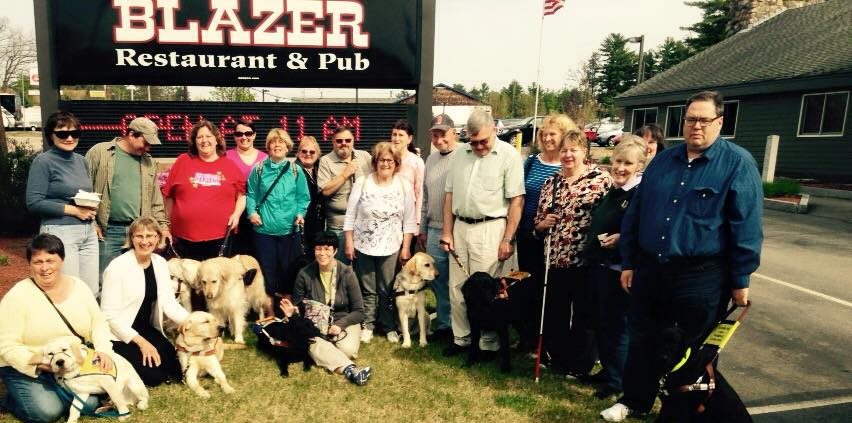



Hello everyone again, Please, save the date of December 2nd for our annual Christmas party. It will be at the Red Blazer Restaurant in Concord, 12:00 noon till about 3:00. The Fox Den room will be open at 11:30 for early arrivers. We will be having our Yankee swap with all gifts being doggy related. READ MORE

Golden Years by ISOBEL WHITCOMB
Golden Years, Some vets think golden retrievers are dying younger than they used to. The answer could change how we think about dogs for good. A very good read! Click here for link to article BY ISOBEL WHITCOMB OCT 09, 20237:00 PM READ MORE

Dear DGUNH members!! Happy Halloween. Learn how to keep your Service Dog Safe during this holiday
A very interesting article from Paws for Life USA about keeping your service dog safe during the Halloween season. Click on the link below to read the full article https://animalsdeservebetter.org/halloween-keeping-your-service-dog-safe/ READ MORE

Great sign for city parks etc! to keep the paws of our pets safe when walking outside
A great idea for a sign to put around the city to protect our dog’s paws from high temperature asphalt while they are walking outside. The sign says: HOT PAVEMENT Air Temp 77, Asphalt Temp 125 Air Temp 86, Asphalt Temp 135 Air Temp 87, Asphalt Temp 143 If it is too hot for READ MORE

Article: A guide dog user perspective on fake service dogs
Hello everyone, We would like to share an article from a graduate from the Seeing Eye who has a Golden retriever guide dog called Chester. The article explains and shows her perspective of some of the hassles everyday we have from pets and fake service dogs. “This is Chester (A golden retriever service dog) In his READ MORE

Profound grief for a pet is normal – how to help yourself or a friend weather the loss of a beloved family member – article featured in The conversation by Melissa Starling
Kevin Noble/Unsplash, CC BY Profound grief for a pet is normal – how to help yourself or a friend weather the loss of a beloved family member Published: November 25, 2022 12.12am GMT Author Melissa Starling Postdoctoral researcher, University of Sydney It’s been three weeks since my partner and I lost our beloved 14.5-year-old dog, Kivi Tarro. READ MORE

Important notice regarding upcoming DGUNH meeting with elections
Good morning folks, Although it is a bit of time away from our upcoming meeting, which will be held on April 8 at 12PM at the Red Blazer in Concord, the Board of the Dog Guide Users group has asked me to post the following notice in order that we will be aware ahead of READ MORE

DGUNH Membership Card
Hello everyone, After much discussion, the Board of Directors has voted to have a membership fee for our group. This will have to be voted on by our members at our general meeting, Saturday April 23rd. This would help us have a valid membership list, if passed. We decided that the membership fee READ MORE

Our New “Our Dogs” section is up and running
The below links are for our member’s service and/or guide dogs living or have passed over the rainbow bridge. To reach our section, please select it from our menu bar or click on the following link: https://dogguideusersnh1.org/?page_id=235 READ MORE
(Audio file) Apple Podcast: DOT Final Rule: Air Travel with Service Animals
On this episode of the ACB Advocacy Update, Clark speaks with ACB experts regarding the Final Rule on Air Travel with Service Animals from the U.S. Department of Transportation. The DOT Final Rule goes into effect on Monday, Jan. 11, 2021, and our panelists for this conversation included: Sarah Calhoun, Guide Dog Users Inc. (GDUI) READ MORE
New regulations as of Dec 2, 2020 about service dogs on airlines
We are reaching out to let you know that the Department of Transportation has issued final regulations on traveling by air with service animals. Before we go into any detail about what the regulations mean for guide dog handlers, we want to assure you that you should not expect any changes right away. These regulations READ MORE

DGUNH Annual Christmas Party 2022
Even with Covid and the Flu going around, we had a great amount of people (24 people) attending the party this year. We all had a great time. Great food, great games, great raffle, great yankee swap and of course great company! Plus we collected a great amount of items to be donated to the READ MORE

DGUNH Christmas giving
In keeping with the Christmas spirit of giving, we decided to donate items to the Franklin Animal shelter this year. We chose Franklin Animal shelter as it is a smaller organization and gets less funds and donations from others. We want to thank everyone for all the donations we received. We hope to continue with READ MORE

Keeping Pets Safe Over the Holidays – Article from ASPCA
The holiday season is upon us, and many pet parents plan to include their furry companions in the festivities. As you gear up for the holidays, it is important to try to keep your pet’s eating and exercise habits as close to their normal routine as possible. Also, please be sure to steer pets clear READ MORE